Annonce des lauréats

Talents Contemporains 15th Edition

Last February, four expert committees selected the artworks or projects of 36 finalists from among 408 candidates representing 36 countries.

The 2025 Grand Jury, chaired by Jean-Noël Jeanneney, was composed of:

  • Rosa-Maria Malet – Director of the Joan Miró Foundation 1980 – 2017, member of the Foundation’s Board of Directors (Barcelona)
  • Constance de Monbrison – Head of the Insulinde Collections, Musée du quai Branly – Jacques Chirac (Paris)
  • Alfred Pacquement – Honorary General Curator of Heritage (Paris)
  • Roland Wetzel – Director of the Tinguely Museum (Basel)

The artists announced for this 15th edition are César Bardoux, Jeannie Brie, Xavier Castro, David Falco, Marc Johnson, Amélie Labourdette, and Céleste Rogosin.

We warmly congratulate the artists and look forward to welcoming their artworks into the collection in the near future.
Download the press release.

The Winners

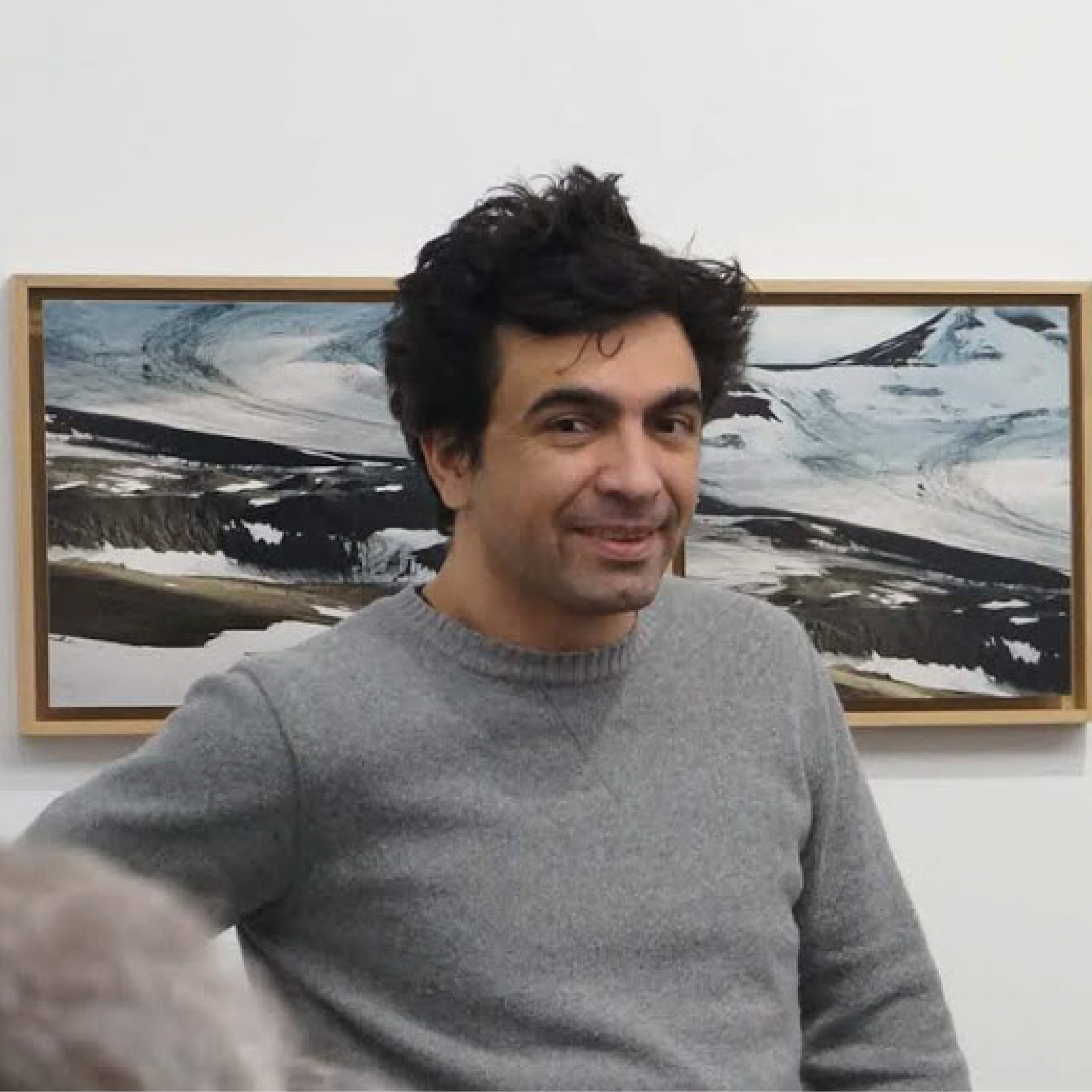
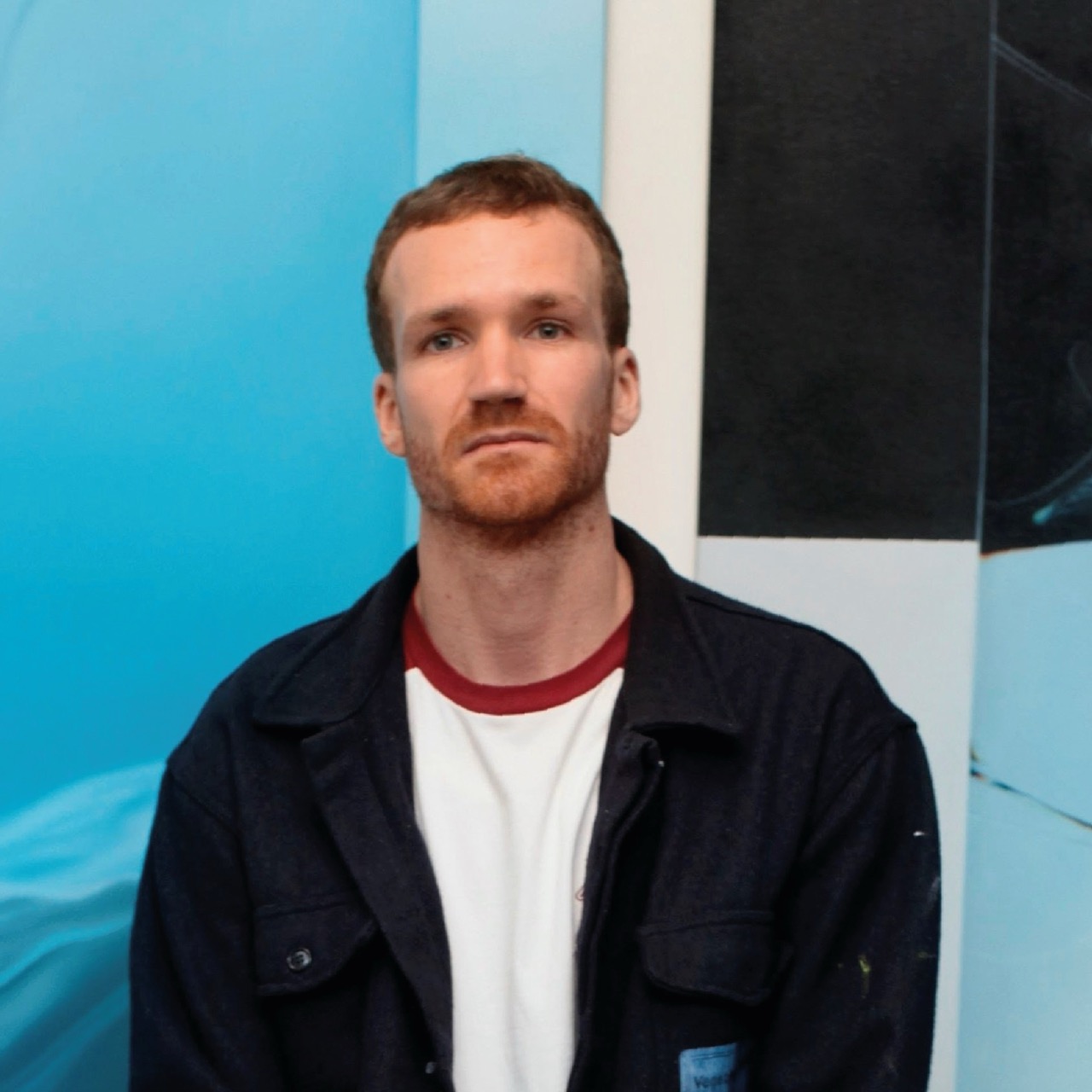
César Bardoux

Born in 1991 in Paris (France) | Lives and works in Pantin (France)

César Bardoux graduated from the Beaux-Arts de Paris (2017). Since then, his practice has revolved around 3D modelling and oil painting. Drawing inspiration from geology and oceanography, he juxtaposes two distinct temporalities while blending traditional and contemporary techniques. At a time when humanity appears increasingly dependent on the digital, Bardoux maintains a critical approach to transhumanist movements. His work has been featured in numerous exhibitions in public institutions and galleries, both in France and abroad, including the Collection Yvon Lambert, the Musée Cognacq-Jay (Paris), Galerie Da-End (Paris), Galerie Eigen + Art (Berlin) and Capuwait (Kuwait).

Learn more

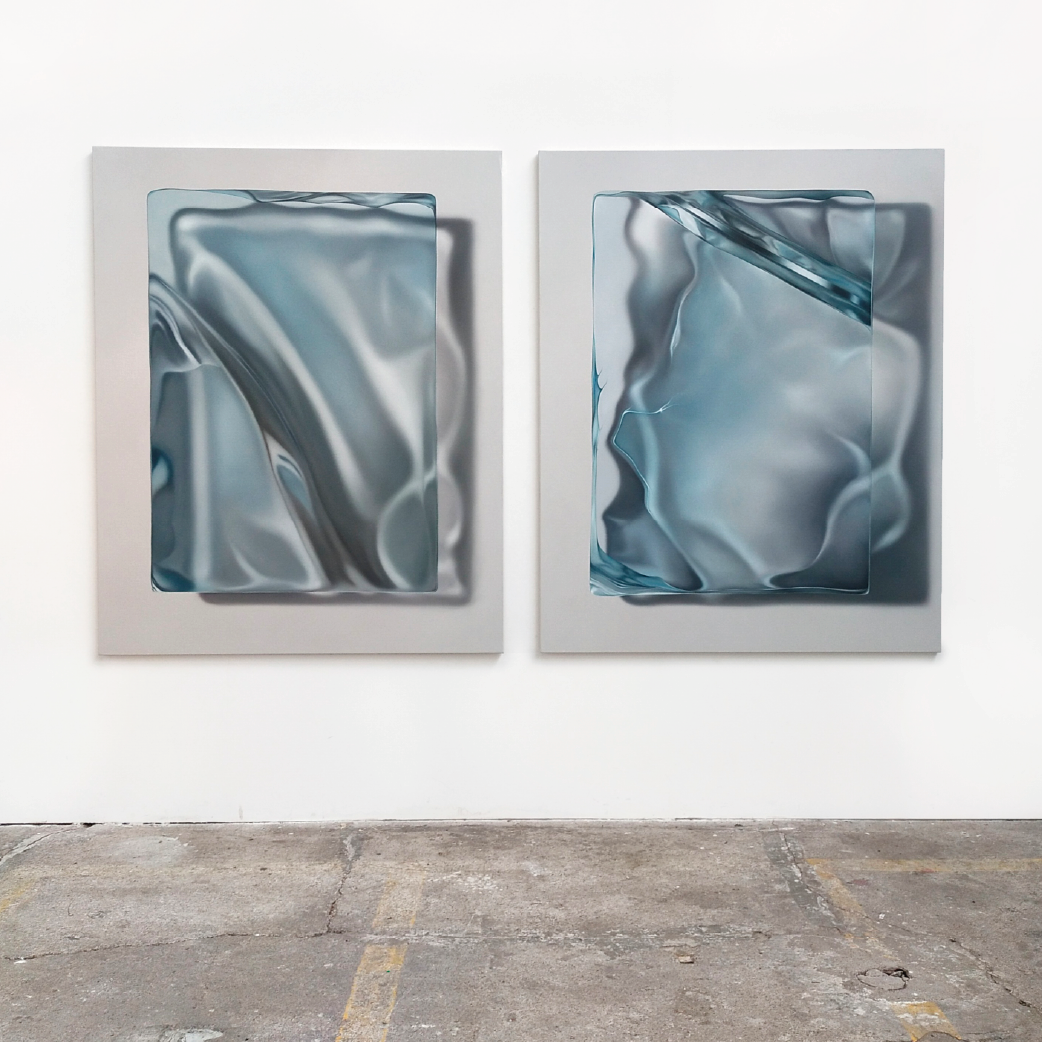
Agarose, 2023. Oil on canvas, 2 × (162 × 130 cm)

This diptych explores agarose, a gel extracted from red algae used in science to reveal DNA fragments. For the artist, this material serves as a fascinating bridge between the living world and high technology, a form of ‘scientific writing’ that makes the invisible architecture of life visible. The work pivots on a series of contrasts: the solid and the liquid, the organic and the artificial. The form emerges from a 3D digital sculpture created from terrestrial reliefs (topographical maps, geological sites). This relief is then polished to give it the appearance of a translucent liquid. The transition to oil painting allows this movement to be frozen: its natural fluidity and slow drying (oxidation) offer the ideal precision for sculpting the effects of transparency. By mixing river sand into the coating of his canvas, the artist creates a mineral base that obscures the weave and gives the painting a vibrant texture, similar to the finish of an analog photograph. This work transforms a silent scientific material into a vibrant portrait, where the transparency of the gel becomes a metaphor for the memory of water and the fragility of life.

Jeannie Brie

Born in 1991 in Nancy (France) | Lives and works in Nancy (France)

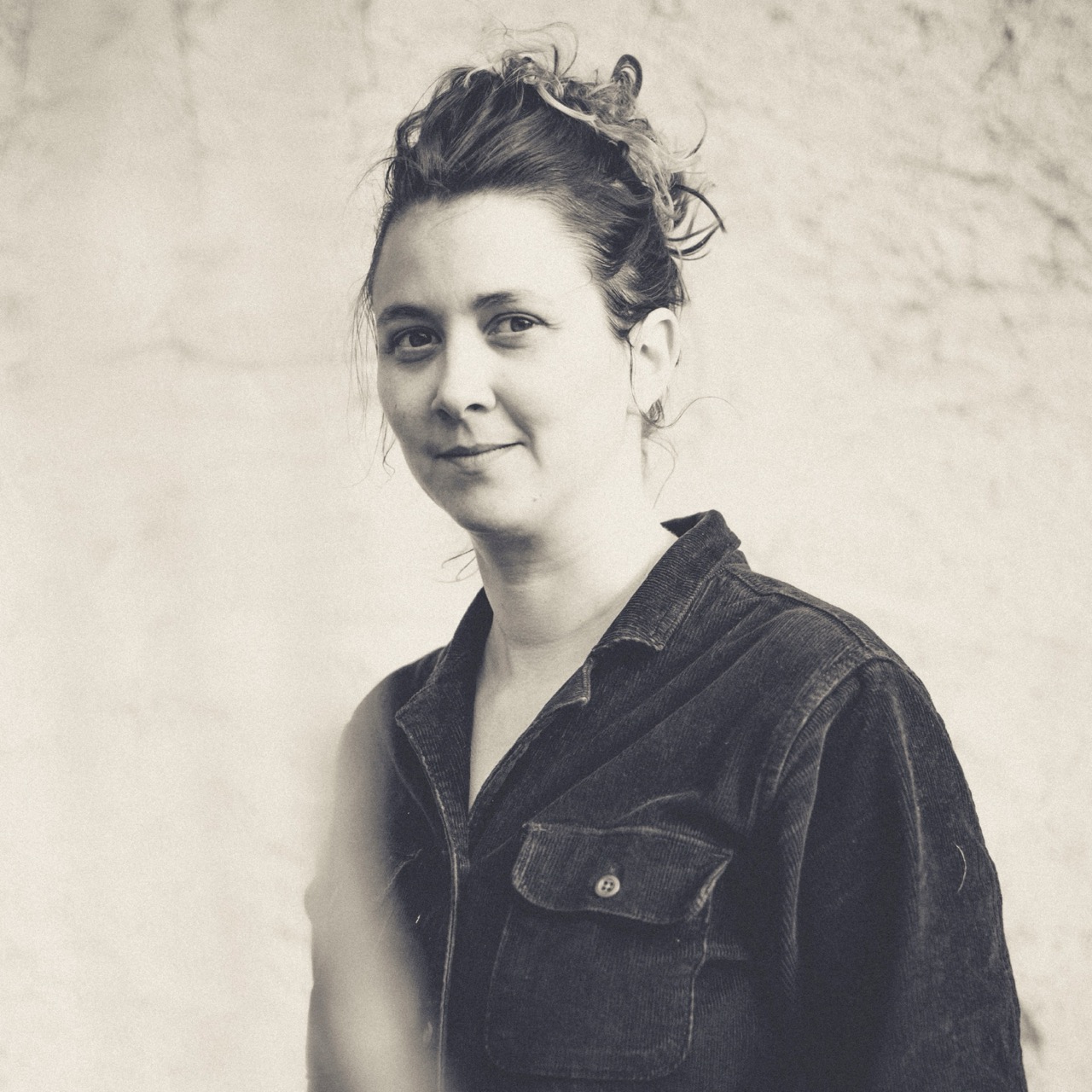
In her performances and installations, Jeannie Brie employs video as a form of “image-matter” to sculpt and transform spaces. She creates immersive environments that engage the viewer in a direct and tangible relationship with their surroundings. By drawing on various image-manipulation techniques, she develops non-linear narratives that interrogate our relationship with time and memory. Her work has been exhibited both in France and internationally, notably at Vidéoformes (Clermont-Ferrand), CCAM – Scène Nationale de Vandœuvre-lès-Nancy, Instants Vidéos at Friche Belle de Mai (Marseille), DOC (Paris), and Gedok (Karlsruhe).

Learn more

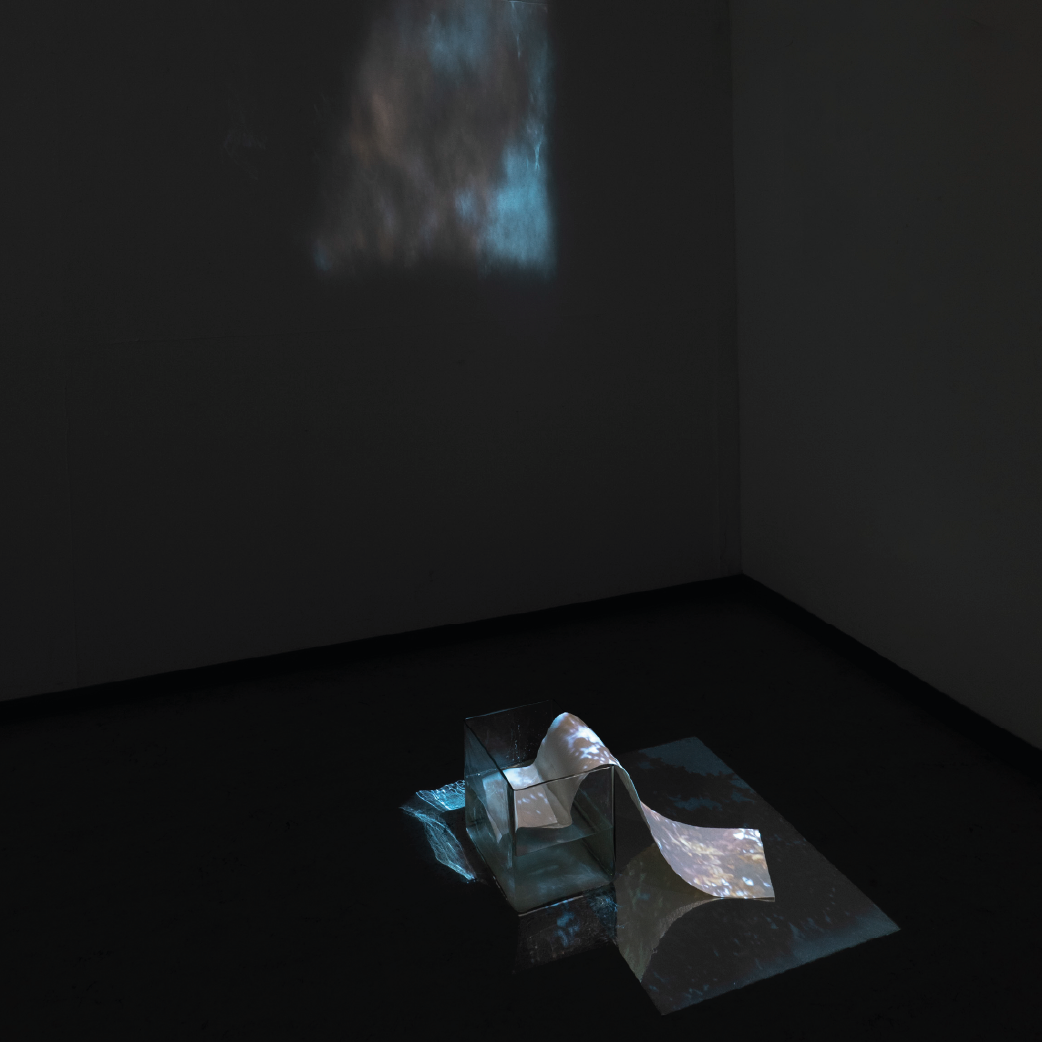
Lécher les flaques, 2025. Installation, 26 × 60 × 70 cm

Lécher les flaques (Licking Puddles) is part of the artist’s ongoing exploration into the materiality of the projected image and its intimate relationship with space and time. This work plays with multiplicity, meaning, and transformation. It consists of a strip of paper emerging from a vase of salt-saturated water, which comes to rest upon a mirror, evoking a ‘graphic puddle’. Onto these objects, a video projects the image of a puddle in which a tree is reflected — already distorted by the movement of water and wind. This disturbed image, reflected in the mirrored strip on the floor, amplifies the visual experience and initiates a constant dialogue between the image and the surface that receives it. As the days pass, the evaporation of the water, the fragility of the paper, and the salt deposits trace a temporality specific to the material itself, which the video and its reflections accompany by constantly renewing the visual narrative. Lécher les flaques thus becomes a living sculpture — a contemplative space where image and matter intermingle between fragile appearance and inevitable disappearance, inviting the viewer to perceive the poetry of time, change, and impermanence.

Xavier Castro 

Born in 1981 in Reims (France) | Lives and works in Toulouse (France)

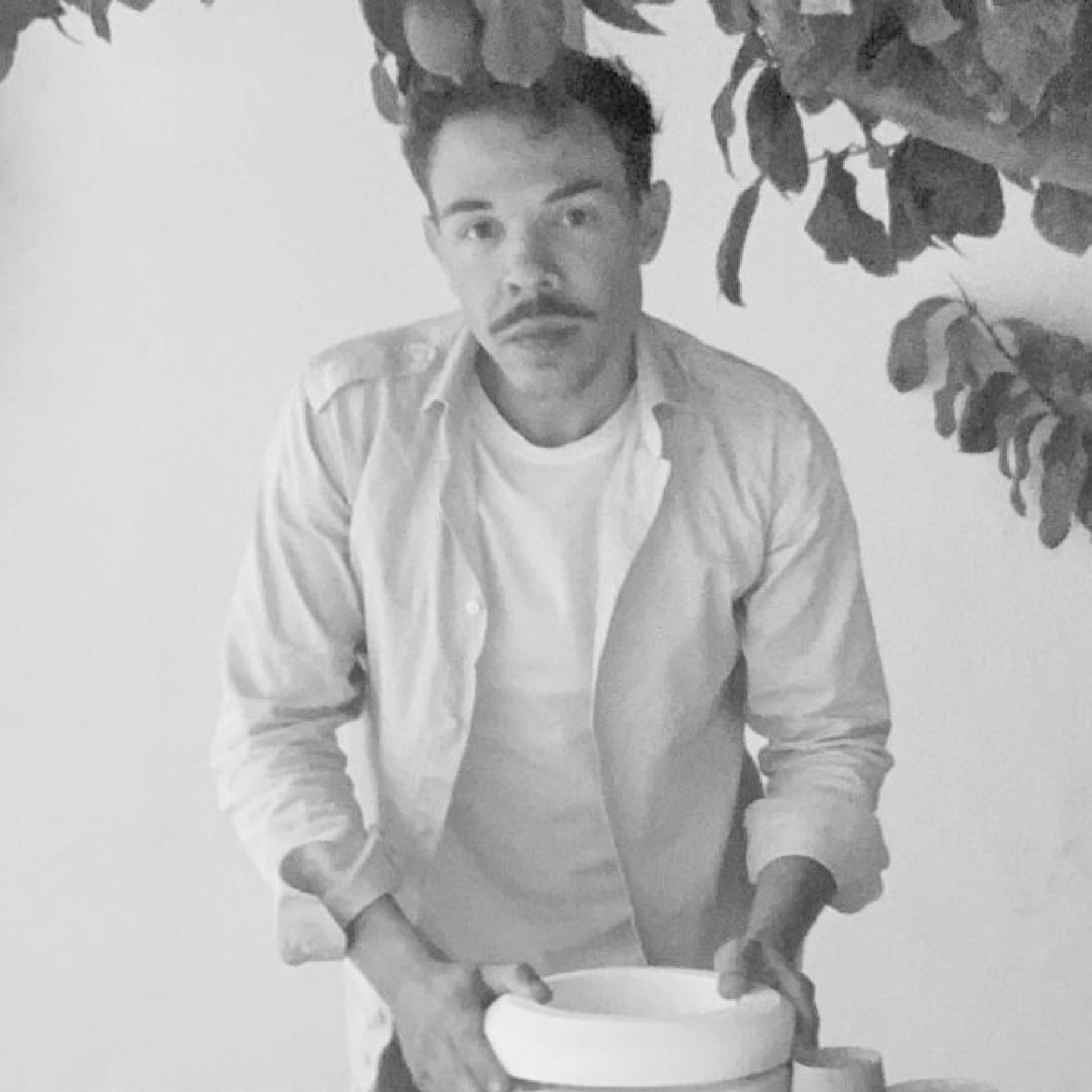
Xavier Castro began his career in graphic design. His quest for a more tangible relationship with materials led him to the École de Sèvres and then to the École Boulle, where he developed a multidisciplinary expertise spanning combining porcelain, marquetry and featherwork. In 2017, he set up his studio in Montreal. Supported by the Frédéric Got and Institut National Art contemporain galleries, he created sculptural compositions combining porcelain, blown glass and entomology. His career is punctuated by residencies and collaborations, notably at La Borne (France) and La Meridiana (Italy). Awarded the Prix Ateliers d’Art de France 2024, he develops a body of work where technical rigour yields to a striking organic force.

Learn more

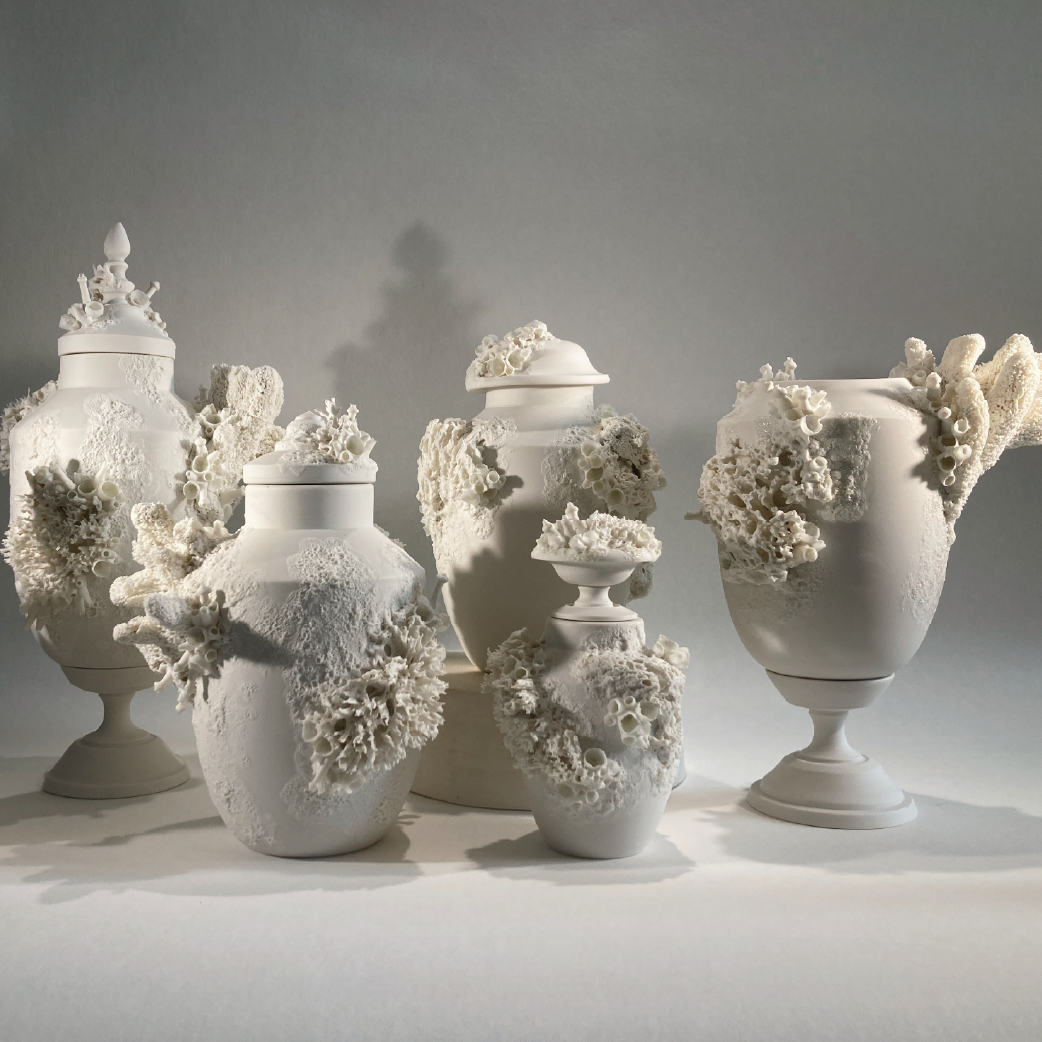
Abysses, 2025. Six sculptures in porcelain of variable dimensions

Inspired by coral reefs and their undulating forms, the Abysses (Abyss) series, comprising urns and vases, features a variety of techniques executed entirely in porcelain. Each form is created from a turned wooden pattern, which is used to produce the plaster moulds required for casting the porcelain. Once the pieces have been polished, Xavier Castro delicately rehydrates them to graft on new elements representing coral. This stage marks the transition from classical form to experimentation: the surface becomes a playground for textures— imprints, porcelain foams, and slip-trailed lines that gradually colonise the object. Through these textural interventions, the once static, classical piece is transformed into a resonant, ‘inhabited’ material. The series thus appears to have emerged from a shipwreck, offering a journey into the depths of inaccessible reefs.


David Falco

Born in 1978 in Chambéry (France) | Lives and works in Poitiers (France)

David Falco’s work is consistently the site of a silent spectacle — a shift, a reverie. Here, we inhabit the surface of an eternal, telluric world. From our conflicts with the natural world, the artist constructs a theatre in which he orchestrates the collision of domesticated space— thwarted, subjected —with natural space: irreducible and sublime. His works are held in both public and private collections and have been exhibited extensively in France and internationally. He was the recipient of the Kodak Prize for Photographic Criticism (2008) and was a nominee for the Hariban Award (2017).

Learn more

Sad Landscape I, Sad Landscape II, Sad Landscape III, 2023. Photographs, 3 × (125 × 155 cm)

Does the night or the day offer this twilight glow? Are we high in the mountains? On a hostile planet, or within a film by Méliès? This series of three photographs by David Falco induces a profound loss of coordinates, revealing a theatre of immobile violence. What appears to be a sequence of desolate mountain landscapes recalls the tortured rock formations characteristic of the Flemish painter Joachim Patinir (c. 1480–1524). Yet, there are no mountains here; instead, these are views of natural algal formations caused by the stagnation of rainwater and nitrates from intensive agriculture. Found throughout the Poitou countryside, along paths and in ditches, these algae colonise and asphyxiate the surrounding flora. Through the staging of these suffocated micro-spaces, the artist seeks to reveal a «potential» landscape: one that is simultaneously grandiose and minuscule, immutable and finite, indestructible and destined for dust.

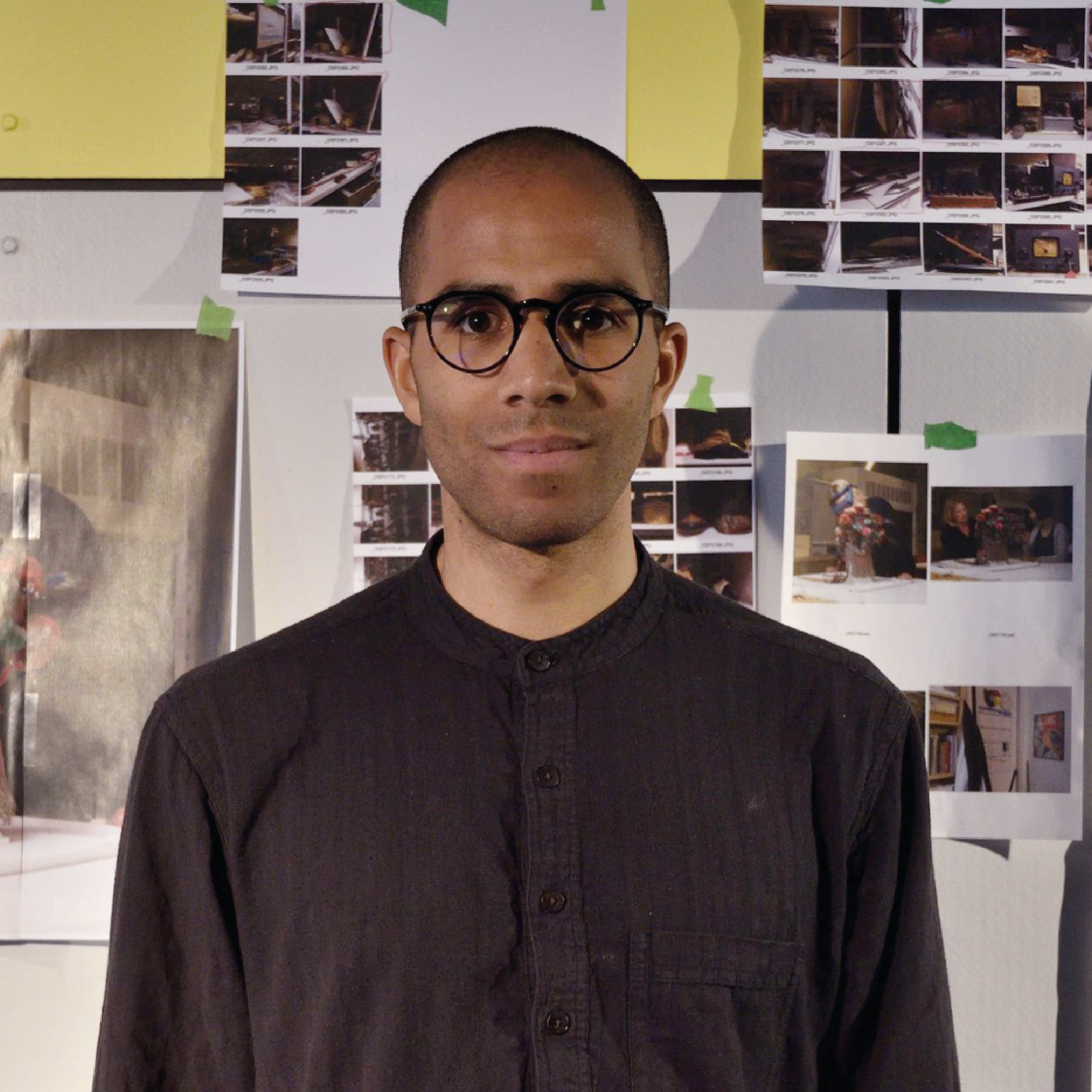
Marc Johnson

Born in 1986 in Vitry-sur-Seine (France) | Lives and works between Paris (France) and Stockholm (Sweden)

A graduate of the École Nationale Supérieure des Beaux-Arts de Paris (2011), Marc Johnson is a French visual artist of the African diaspora (Benin). Within his practice, he mobilises Afro-Surrealist and Afrofuturist movements. His transition from experimental cinema to textiles extends a consistent attention to materiality and the cohabitation of living beings, where the act of making becomes a historiographical and reparative gesture. Johnson has received several distinctions, including the Cornish Family Prize for Art & Design Publishing (2017) and the LVMH Young Fashion Designer Prize (2009). His work has been exhibited internationally, notably at the Musée National d’Art Moderne – Centre Pompidou and the Jeu de Paume (France), Liljevalchs Konsthall (Sweden), as well as the Kramlich Collection and the Manetti Shrem Museum of Art (USA).

Learn more

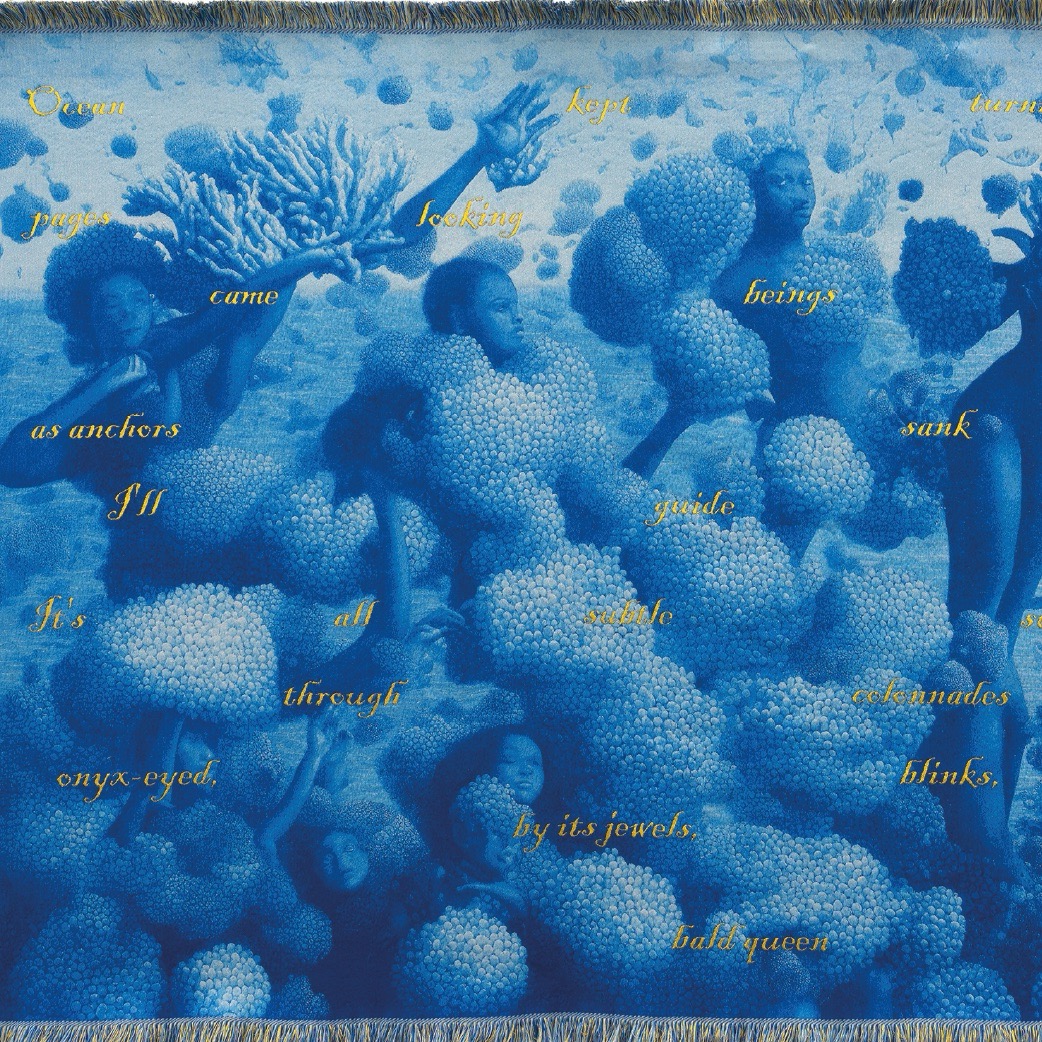
Retour, 2024. Textile, 200 × 320 cm

Retour (Return) is a Jacquard-woven work that reveals a submarine expanse of deep blues and iridescent reflections, where mythical figures—part-human, part-coralline—drift between emergence and engulfment. Part of the series The Sea is History, this work draws inspiration from the eponymous 1979 poem by Derek Walcott (1930– 2017), which evokes the history of the Transatlantic slave trade. Marc Johnson further references the myth of Drexciya—an Afrofuturist Black Atlantis conceived in 1990s Detroit—to summon the ocean as a living archive of the African diaspora. While the woven surface embodies a coralline thought where threads intertwine like living organisms, the work’s weft is formed through sedimentation, symbolically bringing to the surface that which official history has submerged. In a singular gesture, the work weaves together materiality, transformation, and memory.

Amélie Labourdette

Born in 1974 in Troyes (France) | Lives and works in Paris (France)

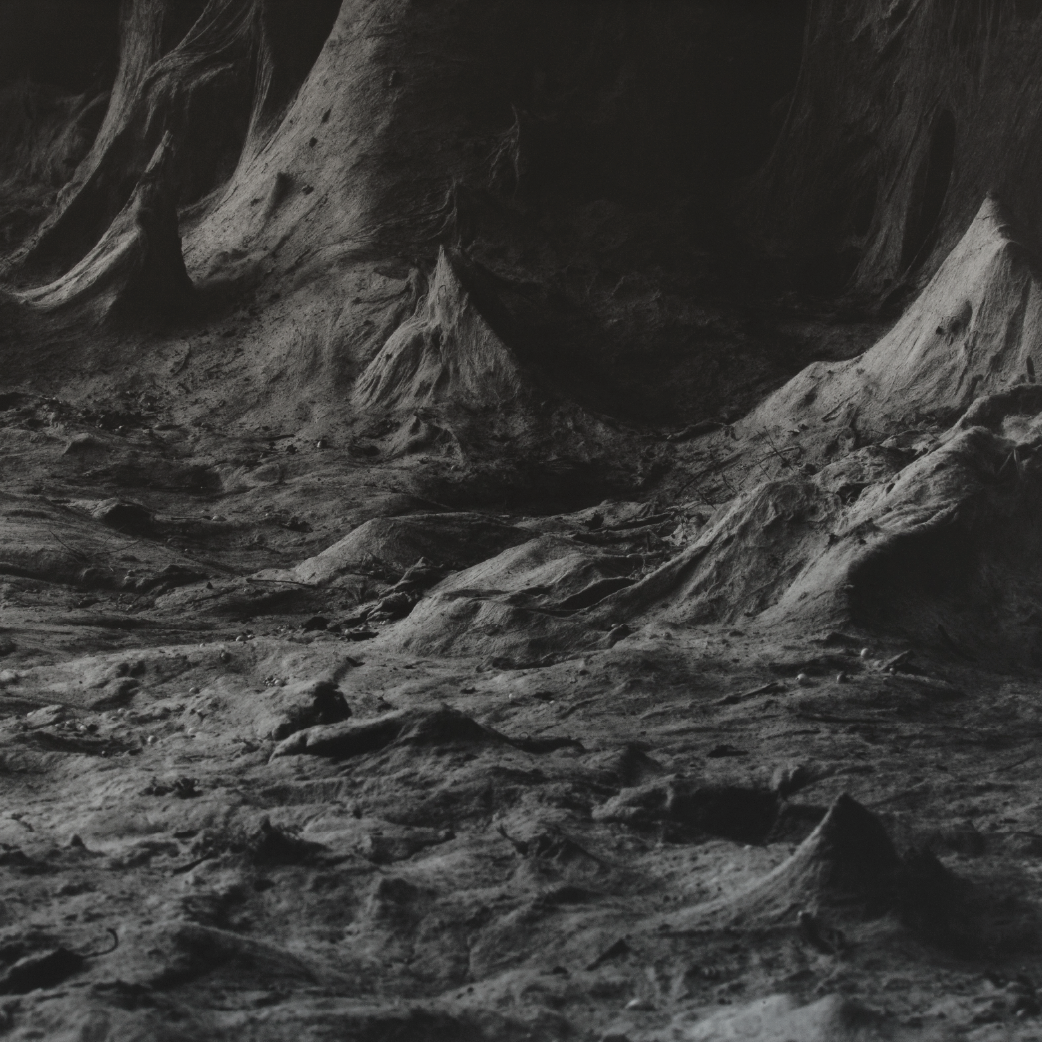
Amélie Labourdette is a graduate of the Beaux-Arts de Nantes − Saint-Nazaire (2000). She explores stratified temporalities through a photographic practice that summons the spectres of non-human natural entities enclosed within the materiality of phenomena, honouring their agency and subjectivity. These ecosophical concerns take shape through a profound interrogation of the photographic medium. Among her notable exhibitions are the 8th Guangzhou Image Triennial at the Guangdong Museum of Art (2025 – 2026), unRepresented – a ppr oc he (Paris, 2024), and the Rencontres Photographiques de Lorient (2023). She was awarded the Sony World Photography Award (2016), a CNAP grant (2017), and was a finalist for the Fondation Louis Roederer Discovery Prize (2020).

Learn more

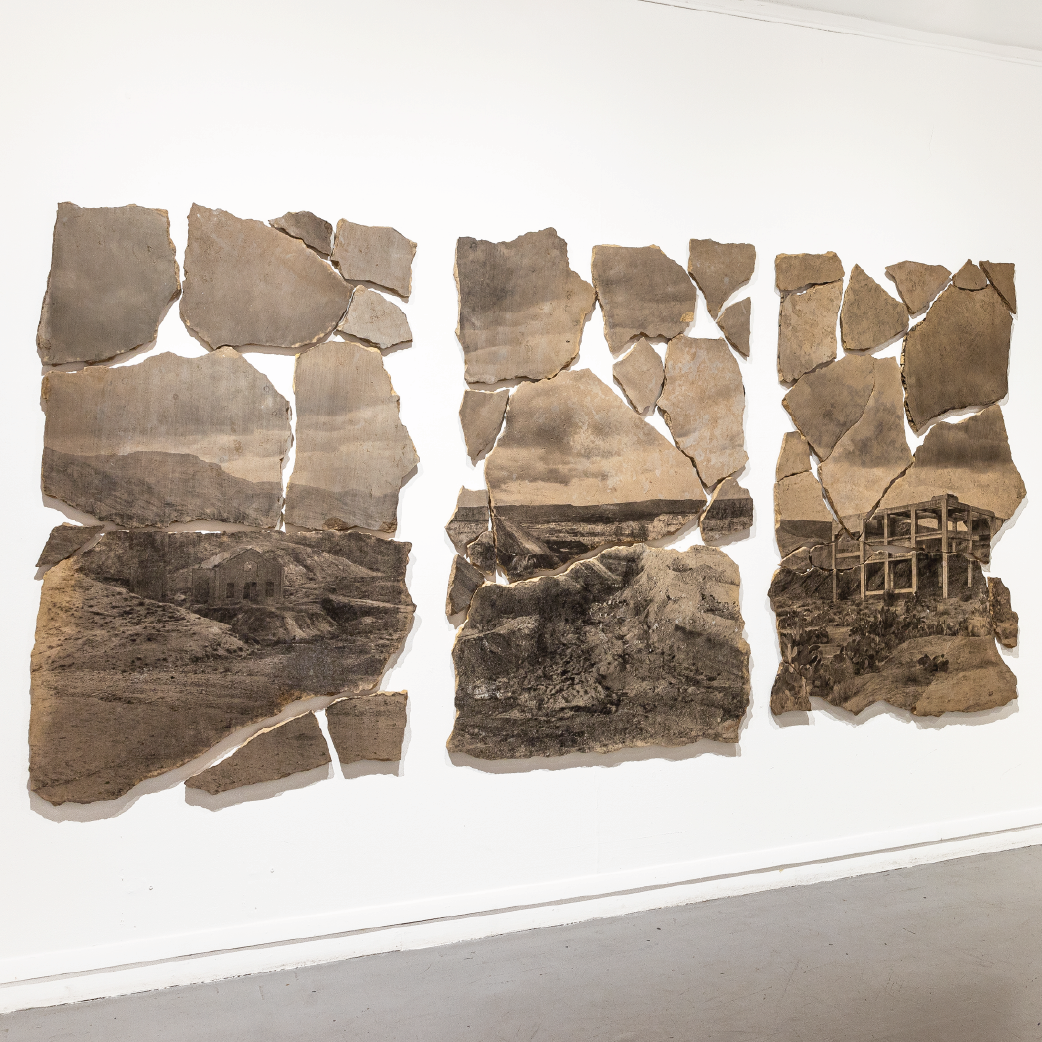
Traces d’une occupation humaine – Triptyque sur fragments de pierre calcaire, 2023. Photographs, 3 × (150 × 100 cm)

These three gelatin silver prints produced on fragments of limestone, a rock found in the spoil heaps of the open-cast phosphate mines in Gafsa, a region on the edge of the Tunisian desert. It uncovers the excessive anthropisation of this territory, where colonial presence, geological trauma and the depletion of fossil waters are intertwined within a single extractive history. Today, the phosphate industry pumps, contaminates and depletes these non-renewable waters, whilst archaeological excavations attest to their fundamental role in the continuity of human occupation since the Middle Palaeolithic. Amélie Labourdette reveals the mineral flesh of the landscape as a traumatic archive. The limestone rock – the substrate of her photographs – seems to possess a memory of its own, as if it were preserving the spectres of our Anthropocene civilisation, which the photographic revelation which brings back to the surface. By summoning these spectres, this triptych suggests an alternative to a presentist view of history, connecting us to a human and more-than-human history over the long term.

Céleste Rogosin 

Born in 1989 in Paris (France) | Lives and works in Paris (France)

Initially trained in dance, theatre and cinema, Céleste Rogosin joined Le Fresnoy in 2019. Her practice — film, installation and performance — explores the tropisms of the body in space and its relationship to the landscape. For her, the body is an involuntary messenger, carrying myths that technologies and virtuality reveal and transform. Since 2021, she has been developing her work through residencies supported by various institutions. Notably, she took part in the CNAP’s national commission PERFORMANCE (2022) and was a guest artist at the Pinault Collection’s Lens residency (2023–2024). She also participates in group exhibitions and, in 2025, presented her first solo exhibition at the Frac Grand Large – Hauts-de-France.

Learn more

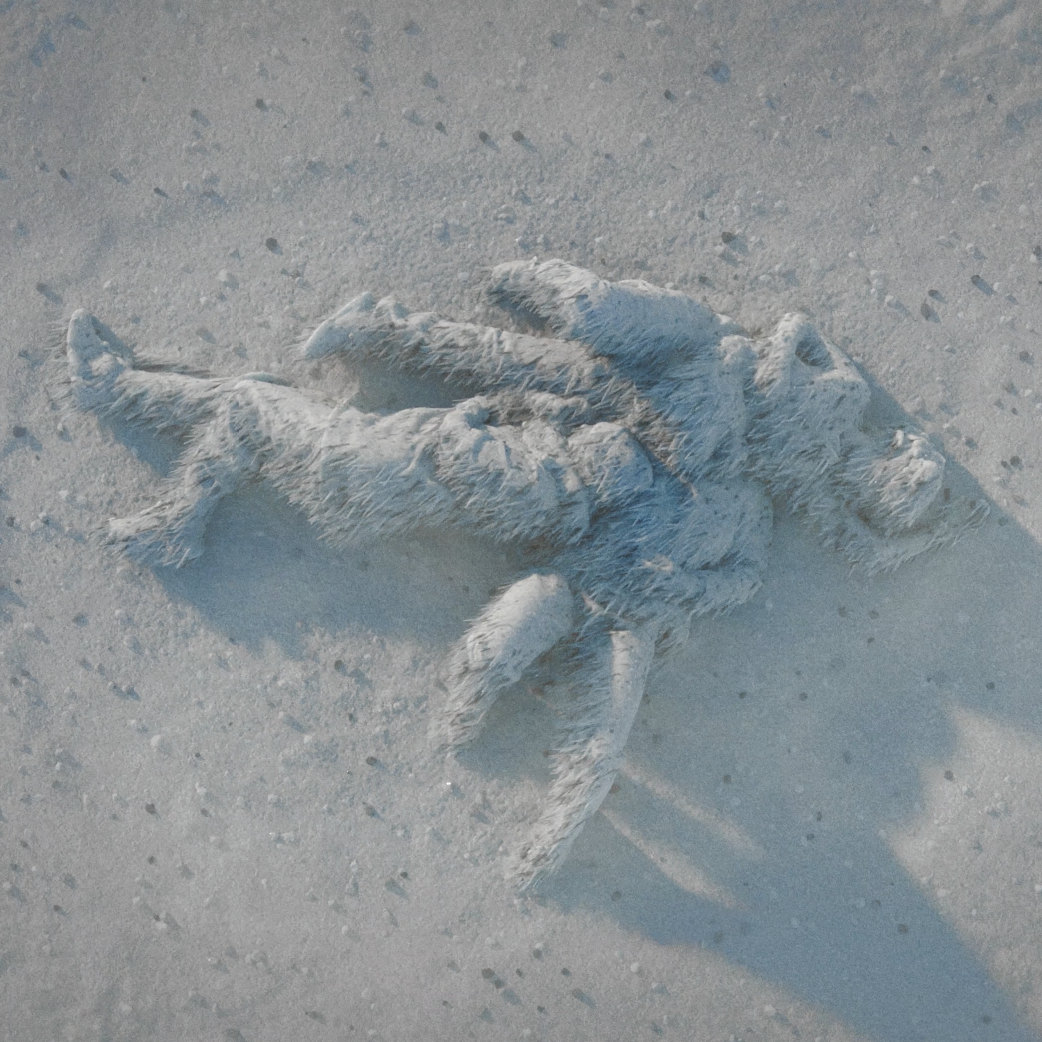
The Edge of Eternity, 2025. Video, 12’

The Edge of Eternity unfolds around a «flux-image» attuned to the tidal cycle. Scrutinised by a camera in orbital motion, three reclining female figures haunt a landscape. This immersive, looping video blends special effects and photogrammetry, fossilised mineral matter and digital immateriality. Between utopian dream and dystopian landscape, the bodies here become the sensitive receptacles of the world’s upheavals. Water constitutes its active principle. Without always appearing, it organises and recomposes the images, transforms materials, and produces a meditative space where time dissolves. The work was originally initiated in the mining basin of the Nord region. It was born from an intimate image that expanded, where the bodies became symptomatic recorders of the landscape: drought, rising waters, mineralisation… These bodies carry within them the guilt of their own digital fabrication. Around them, the sound composition weaves an off-camera space of currents and textures from which their breaths emerge.